Question and answer
Got a question? We have the answers.
Our workplace safety FAQ answers the questions Calgary and Alberta employers, supervisors and workers ask us most – hazards, responsibilities, rights, programs, procedures and audits. Check out the answers below and let us know if you have a question you would like answered.
Hazards
What types of hazards are found on a work site?
Hazards found in a workplace usually fall under seven workplace hazard categories: safety, biological, physical, ergonomic, chemical, psychosocial and workplace hazards. Explore each one below.
The 7 workplace hazard categories
Every hazard assessment starts with knowing what to look for. Tap a category to see examples and the controls we usually build into a program.
Safety hazards
Examples: Driving, machinery, electrical work, slips, trips and falls, elevated platforms, hand and power tools.
Typical controls: Guarding, lock-out, fall protection, housekeeping, pre-use inspections.
Biological hazards
Examples: Stinging insects, mouse droppings, communicable diseases, bodily fluids, poor hygiene.
Typical controls: Hygiene stations, vaccinations where offered, PPE, clean-up procedures.
Physical hazards
Examples: Loud noise, radiation, extreme heat or cold, poor ventilation and air quality.
Typical controls: Noise monitoring and hearing protection, cold and heat stress plans, ventilation.
Ergonomic hazards
Examples: Poorly set-up workstations, repetitive motion, long periods sitting or standing, bad lighting.
Typical controls: Workstation assessments, job rotation, lifting aids, micro-breaks, better lighting.
Chemical hazards
Examples: Missing workplace or supplier labels, no WHMIS training, poor storage, vapours, spills.
Typical controls: WHMIS 2015 training, SDS binders, labelling, ventilation, spill kits.
Psychosocial hazards
Examples: Workplace violence and harassment, stress, discrimination.
Typical controls: Violence and harassment policy, reporting routes, investigations, support.
Workplace hazards
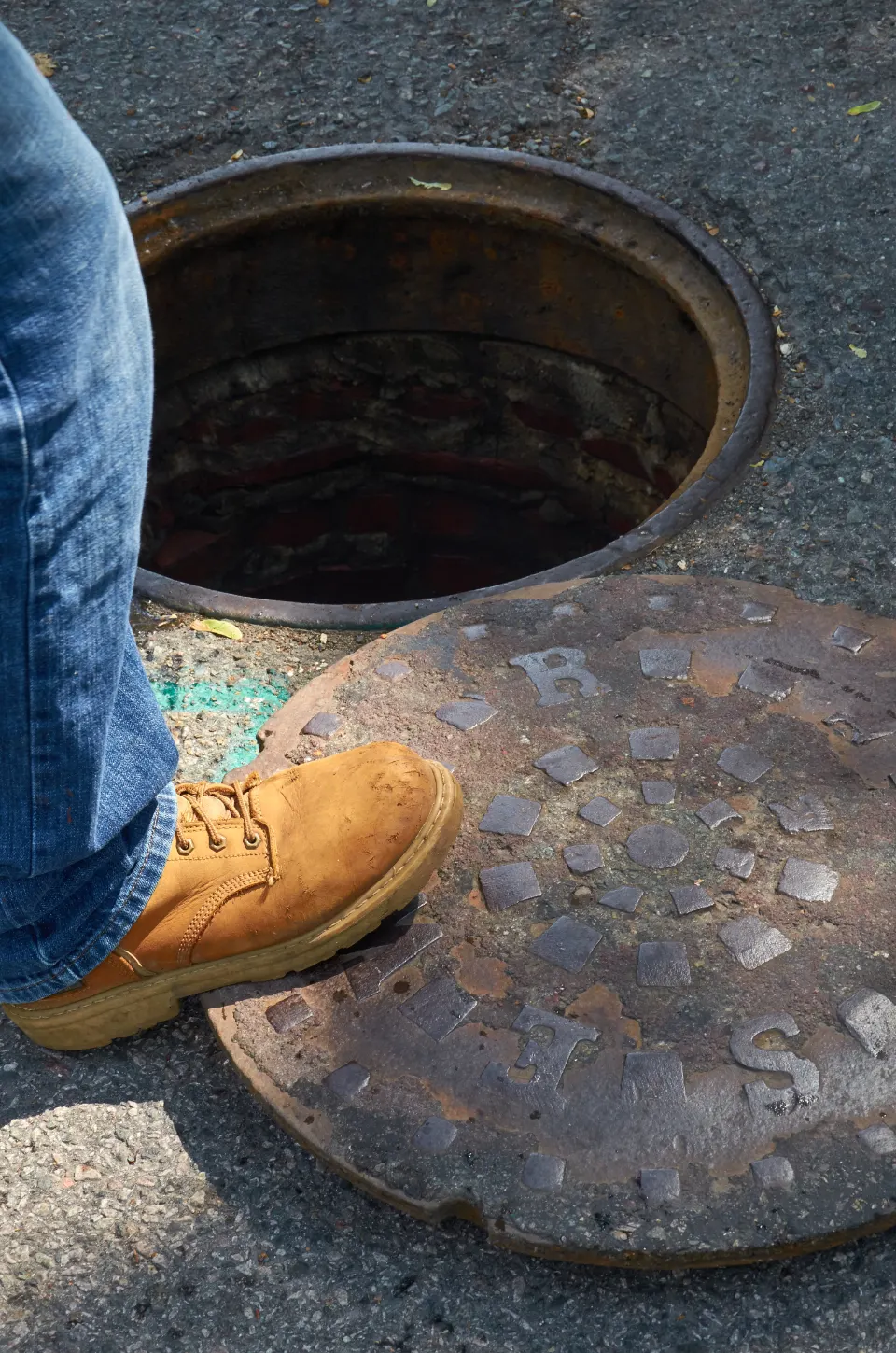
Examples: Confined spaces, working alone, moving equipment, long hours.
Typical controls: Confined space entry permits, check-in for lone workers, traffic plans, fatigue rules.
Workplace safety FAQ: what makes a safe workplace?
A safe workplace is one that:
- is free of hazards, or has hazards identified and properly controlled to eliminate their risk to workers;
- complies with all applicable workplace health and safety legislation, acts, codes and regulations;
- has knowledgeable, competently trained workers;
- encourages employee feedback and reporting of issues;
- has a Health and Safety Management System that encourages management leadership and employee involvement, early and frequent inspections, hazard identification, prevention and control, and continuous training and education.
Who is responsible for workplace safety?
What are the employer's duties?
Employers carry a lot of responsibility for workplace safety. Chief among them is taking every reasonable precaution for the health and safety of their workers – the concept of due diligence. Everyone contributes to safety, but proving due diligence is up to the employer.
- Comply with all acts, codes and regulations made under Occupational Health and Safety legislation.
- Develop and implement a health and safety program and policy.
- Develop and implement violence and harassment prevention plans.
- Provide information, instruction and supervision to protect workers.
- Establish and cooperate with a joint health and safety committee or representative where required.
The employer can be a corporation or an individual owner. In a large organisation, senior management usually represents the employer and may delegate tasks to HR or safety managers – but cannot outsource the legal responsibility. In a small business, the owner is often the one doing the work.
What responsibilities do supervisors have?
Supervisors must take every precaution reasonable in the circumstances to protect their workers. That includes making sure work follows policies, procedures and OHS legislation; making sure PPE is worn when needed; warning workers of known dangers and stepping in to stop unsafe acts; giving written instructions on protective measures; and making sure workers are trained by competent people.
A supervisor is anyone the employer puts in charge of a work site or gives authority over a worker – a manager, team lead or director may be a supervisor even without the title.
What responsibilities do workers have?
Safety is also every worker's personal responsibility. Workers must work safely, wear the right personal protective equipment, operate equipment competently, follow OHS legislation and company policies and procedures, report hazards, unsafe acts and unsafe conditions, and know their rights.


Does a worker have rights when it comes to safety?
All workers have three basic rights under Alberta's OHS legislation:
- Right to know – to be told about the hazards from people, equipment, materials, the environment and processes, and to be trained on hazardous substances they may be exposed to.
- Right to participate – to ask questions about their own or a co-worker's safety and to take part in identifying, assessing and controlling hazards.
- Right to refuse unsafe work – to refuse work they believe is likely to endanger themselves or others, with protection from reprisal.
Do we need violence and harassment prevention plans?
Yes. Every employer must develop and implement a harassment prevention plan and a violence prevention plan. Both must be in writing and readily available to workers at the work site, on paper or digitally. Each plan needs a policy and procedures, and the employer must consult the health and safety committee or representative – or the affected workers if the site is exempt – when building them.
Programs, procedures and audits
What is the purpose of a health and safety program?
Health and safety programs, or management systems, protect workers, equipment and property by preventing or minimising injuries, damage and harm to your reputation. A well-run program helps avoid fines, long WCB claims and turnover, reduces downtime, extends equipment life and keeps workers who feel safe and stay. See our program development service.
What is a hazard identification and risk assessment?
A hazard is any source of potential damage, harm or adverse health effects. Hazard identification and assessment is the process of identifying, documenting and addressing known or reasonably foreseeable hazards: identify the hazards, analyse and evaluate the risk, then eliminate the hazard or control the risk when it cannot be eliminated.
What is a safe work or job procedure (SWP / SJP)?
A step-by-step procedure for a task, piece of equipment or tool that could expose a worker to an uncontrolled risk. It starts with a hazard analysis of the job and lists the hazards, required PPE and the steps to do the task safely. Employers must provide the procedure, training and supervision.
What is a safe work practice?
General written rules for what to do, or not do, to work with minimum risk to people and property. Management must endorse them, make sure every worker understands the ones that apply to them, supply the equipment needed to comply, and have supervisors enforce them.
What is a safety audit, and why do one?
Safety audits are about accountability. They confirm that effective program elements are in place to identify, eliminate or control hazards. Done properly, audits reduce injury and illness rates, involve employees in their own safety, raise job satisfaction and make the company more competitive. Ask us about COR audits.